Wave Vector: Strategic Design Principles for Modern Visual Communication
In the contemporary digital landscape, visual communication is no longer merely an aesthetic consideration; it is a fundamental component of strategic positioning. The concept of the Wave Vector emerges at the intersection of physics, design theory, and brand psychology. It represents the directional flow of energy within a visual composition, guiding the viewer’s eye and influencing their emotional response. For entrepreneurs, marketers, and creative professionals, understanding how to harness this dynamic force can transform static graphics into compelling narratives that drive engagement and reinforce brand identity.
A wave vector, in its scientific origin, describes the direction and magnitude of a wave’s propagation. When translated into graphic design, this concept manifests through the use of lines, curves, gradients, and spatial arrangements that create a sense of movement. Whether you are designing a corporate logo, a landing page, or a comprehensive brand identity system, the intentional application of wave-like elements can evoke feelings of fluidity, progress, and connectivity. This article explores how to leverage these principles to achieve tangible business results, ensuring that every visual element serves a purposeful role in your broader communication strategy.
The Psychology of Motion and Direction in Branding
Human perception is inherently drawn to movement. In a static medium such as a poster, website banner, or business card, designers must simulate motion to capture attention. This is where the strategic use of abstract shapes, such as waves, circles, and spirals, becomes critical. These forms suggest continuity and infinite potential, qualities that many modern brands wish to embody.
Consider the psychological impact of a gradient background transitioning from deep cosmic blue to vibrant pink or yellow. This technique does more than add color; it creates a visual trajectory. The eye follows the shift in hue, mimicking the natural observation of light changing over time, such as a sunrise or the glow of a distant galaxy. For a technology company or a startup in the cyberspace sector, this subtle cue suggests innovation and forward momentum. Conversely, a rigid, geometric layout without directional flow may feel stable but stagnant, potentially failing to convey the dynamism required in competitive markets like trade, diplomacy, or digital applications.
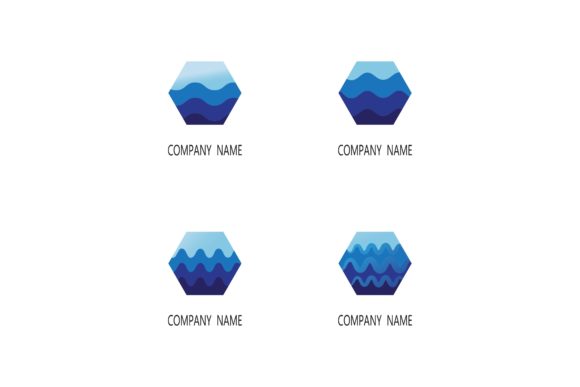
When developing a logo or icon set, integrating wave vectors can differentiate a brand from competitors who rely on static, isolated symbols. A flat design approach, characterized by clean lines and minimal decoration, benefits immensely from the underlying structure of a wave vector. It ensures that even the simplest triangle or circle contributes to a cohesive narrative of movement. For instance, a marine conservation organization might use stylized whale silhouettes or splash elements arranged in a flowing sequence to represent the vitality of the ocean and the urgency of protection efforts.
Implementing Wave Vectors in Digital Interfaces
In web design and user experience (UX) planning, the wave vector acts as an invisible guide for navigation. Users do not read websites linearly; they scan them. By arranging elements such as buttons, images, and text blocks along a curved or diagonal path, designers can lead users toward key conversion points. This is particularly effective in landing page layouts where the goal is to direct attention to a specific call-to-action.
The use of luminescence and glow effects can further enhance this directional guidance. A shiny, 3D button that appears to emit light against a dark, starry sky background creates a focal point that feels both magical and urgent. This technique draws from the aesthetics of astronomy and space exploration, tapping into universal associations with discovery and the unknown. For educational platforms or science-focused publications, incorporating motifs like constellations, orbits, and planets can reinforce the theme of knowledge expansion while maintaining a modern, creative aesthetic.
However, the application of these elements requires discipline. Overuse of vibrant colors, complex patterns, or excessive decoration can overwhelm the user, leading to cognitive fatigue. The principle of "less is more" remains relevant. A minimalist approach, utilizing a limited palette of classic blue, white, and subtle gray tones, often yields higher perceived value and professionalism. The wave vector should be felt rather than explicitly seen, operating as a structural undercurrent that organizes content logically and aesthetically.
Strategic Considerations for Creative Assets
Before commissioning or creating visual assets, decision-makers must define the strategic intent behind the design. Are you aiming to convey stability and trust, or innovation and disruption? The choice of shape, color, and texture must align with these objectives. For example, a financial institution might opt for smooth, horizontal waves that suggest calmness and reliability, whereas a gaming studio might prefer sharp, angular starbursts and high-contrast neon gradients to evoke excitement and energy.
It is also essential to consider cultural context. Symbols that resonate in one market may carry different connotations in another. A flag or national symbol, such as the Niger flag, incorporates specific colors and shapes that hold deep historical and political significance. Using similar visual languages in a commercial context requires sensitivity and research to avoid misinterpretation. Similarly, imagery involving animals like deer, whales, or birds should be selected with an understanding of their symbolic weight in the target audience’s culture. A doe might represent gentleness and nature in one context, while a lion (or Leo) signifies strength and leadership in another.
Furthermore, the technical execution of these designs impacts their effectiveness. Vector graphics offer scalability and clarity across various devices, from mobile screens to large-format banners and posters. Ensuring that your illustrations and icons are optimized for performance is crucial for maintaining a seamless user experience. Slow-loading images with complex gradient textures or excessive 3D rendering can detract from the overall quality of the presentation, regardless of their artistic merit.
Risks of Unintentional Design Choices
One of the most significant risks in visual communication is the lack of coherence. When elements are chosen randomly without a unifying concept, the resulting design appears chaotic and unprofessional. This often happens when teams prioritize trends over strategy, incorporating cute characters, ink splashes, or retro fonts simply because they are popular, without considering whether they align with the brand’s core values.
Another common pitfall is the misuse of abstract concepts. While fantasy and magic themes can be engaging, they may undermine credibility in sectors that require precision and authority, such as government, law, or medicine. In these fields, clarity and straightforwardness are paramount. A clean, flat layout with clear typography and logical spacing is often more effective than elaborate cosmic backgrounds or mysterious silhouettes.
Additionally, ignoring accessibility standards can exclude a significant portion of your audience. High-contrast combinations, such as black text on white backgrounds or yellow on blue, ensure readability for users with visual impairments. Relying solely on color to convey meaning, such as using red for errors and green for success, can be problematic for color-blind users. Incorporating icons, labels, and patterns alongside color cues creates a more inclusive and robust design system.
Long-Term Value of Cohesive Visual Systems
Investing in a well-thought-out visual strategy yields long-term benefits. A consistent application of wave vectors and related design principles builds brand recognition and trust. When customers encounter familiar visual cues across different touchpoints—such as social media posts, email newsletters, and packaging—they develop a stronger connection to the brand. This consistency reinforces the brand’s identity and makes it easier for consumers to recall and recommend.
Moreover, a flexible design system allows for adaptation and growth. As market conditions change and new opportunities arise, having a foundational framework based on solid design principles enables teams to create new assets quickly and efficiently. Whether launching a new product, entering a new market, or updating a presentation for stakeholders, a cohesive visual language ensures that all communications remain aligned with the brand’s strategic goals.
In conclusion, the wave vector is more than a design trend; it is a strategic tool for guiding perception and influencing behavior. By understanding the psychological impact of movement, color, and shape, professionals can create visuals that not only look appealing but also drive meaningful results. Whether you are designing a logo for a startup, a website for a non-profit, or a campaign for a global corporation, approaching design with intentionality and strategic foresight will set you apart in an increasingly crowded digital world. Focus on clarity, consistency, and purpose, and let the flow of your design reflect the clarity of your vision.