Integrating High-Resolution Mermaid Clipart and Underwater PNG Assets into Professional Creative Workflows
In the landscape of modern digital design and content creation, the selection of visual assets is rarely just an aesthetic choice; it is a strategic decision that impacts workflow efficiency, brand consistency, and final output quality. For professionals ranging from wedding planners and graphic designers to small business owners and bloggers, incorporating Mermaid Clipart and Underwater PNG elements requires a structured approach. This is particularly true when utilizing high-quality resources like hand-painted watercolor sets, which offer a distinct texture and organic feel that standard vector graphics often lack. Understanding how to integrate these specific assets—such as mermaid tails, splashes, and thematic backgrounds—into a broader production process ensures that the final product meets professional standards while maximizing the value of the digital download.
The Strategic Value of Hand-Painted Watercolor Elements
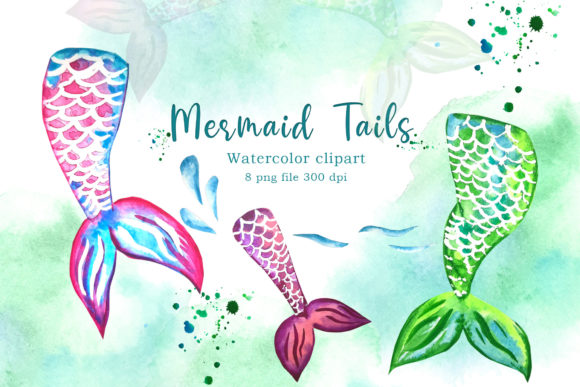
When evaluating assets for a project, the distinction between generic clip art and hand-painted watercolor clipart is significant. Watercolor textures introduce depth, variation, and a human touch that resonates well with audiences seeking authenticity. A set featuring Mermaid Tail Clipart and oceanic splashes, rendered in high-resolution watercolor styles, serves as a versatile foundation for various industries. For wedding invitation designers, these elements provide a romantic, whimsical aesthetic that aligns with current trends in stationery. For marketers and bloggers, they offer a way to break up text-heavy posts with engaging visuals that maintain a cohesive theme.
The utility of these assets extends beyond simple decoration. In a professional workflow, the Underwater PNG files act as modular components. Because they are provided as separate images with transparent backgrounds, they can be layered, resized, and manipulated without losing quality. This modularity is crucial for creators who need to adapt a single asset across multiple formats, such as transforming a blog header into a social media graphic or a printed poster. The key lies in recognizing that these 300 DPI, 3000 x 3000 pixel files are not just pictures; they are raw materials for a scalable design system.
Pre-Production: Planning and Asset Organization
Effective integration begins before the first design file is opened. The preparation phase involves auditing the project requirements against the capabilities of the downloaded asset pack. When you purchase a set containing eight distinct elements, including mermaid tails and water splashes, the immediate task is organization. Professionals should establish a dedicated folder structure within their digital asset management system. Labeling files clearly—for instance, distinguishing between "Mermaid_Tail_Front.png" and "Splash_Element_03.png"—prevents time loss during the execution phase.
Compatibility checks are also vital at this stage. Since these files are RGB PNGs, they are optimized for digital screens, web design, and modern printing processes. However, if the end goal involves large-format fabric printing or specific offset printing methods, verifying color profiles and resolution limits is necessary. While 300 DPI is the industry standard for high-quality print, understanding the physical dimensions (12x12 inches) helps in planning layout scales. If a project requires a billboard-sized banner, the designer must know early on that the asset may need to be used as a repeating pattern rather than a single focal image, or that upscaling techniques will be required.
Execution: Integrating Assets into Design and Content Creation
During the active creation phase, the Mermaid Clipart elements serve different functions depending on the medium. For wedding invitations and greeting cards, the hand-painted style suggests a soft, elegant approach. Designers can layer the mermaid tail illustrations with typography, using the negative space around the watercolor edges to create breathing room for text. The transparency of the PNG format allows these elements to sit seamlessly over colored cardstock backgrounds or textured paper simulations without unsightly white boxes.
In the realm of web design and blogging, these assets function as visual anchors. A blogger writing about travel, fantasy literature, or lifestyle topics can use the underwater splashes to frame quotes or separate sections of an article. The process here involves importing the PNGs into a content management system or a page builder, ensuring that the file size is optimized for web loading speeds without compromising the 300 DPI source quality. It is often prudent to create web-optimized derivatives (72 DPI) from the master high-res files to ensure fast page load times, a critical factor for SEO and user experience.
For entrepreneurs creating merchandise, such as tote bags, mugs, or fabric prints, the workflow shifts slightly. The high resolution of the Mermaid Tail Clipart allows for direct application onto products via print-on-demand services. Here, the focus is on composition. Combining the tail element with splash effects creates a dynamic scene that feels custom-made rather than templated. The hand-painted nature of the art means that colors may blend softly, so placing these elements on dark versus light substrates requires careful previewing to ensure contrast and visibility.
Post-Production: Quality Control and Consistency
Once the design is assembled, the review process is essential to maintain professional standards. Quality control involves checking the edges of the Underwater PNG elements to ensure no pixelation has occurred during resizing. Because watercolor art relies on soft gradients and bleeds, aggressive compression can introduce artifacts that degrade the hand-painted look. Professionals should zoom in to 100% view to inspect these details before finalizing any print-ready PDFs or exporting web images.
Consistency is another critical factor. If a brand uses these mermaid elements across a campaign—including posters, blogs, and social media quotes—the placement and scaling of the assets should follow a consistent logic. For example, if the mermaid tail is used as a footer element on a website, it should appear in a similar position on accompanying email newsletters. This repetition builds brand recognition. Furthermore, maintaining a library of how these assets were used in past projects creates a reference guide for future work, streamlining the decision-making process for subsequent campaigns.
Long-Term Utility and Adaptability
The value of a digital download extends far beyond a single project. A high-quality pack of Mermaid Clipart and watercolor elements is an investment in a long-term resource library. As trends evolve, these timeless watercolor styles can be repurposed. A set originally used for a summer beach-themed wedding invitation might later be adapted for a children's book illustration or a yoga studio's branding materials. The versatility of the eight included elements allows for endless combinations, reducing the need to constantly purchase new assets for every minor project.
Moreover, these assets facilitate collaboration. When working with a team, having a shared folder of approved, high-resolution Hand Painted Watercolor Clipart ensures that everyone is working from the same source of truth. This eliminates version control issues where one designer uses a low-res screenshot while another uses the original PNG. Clear documentation of the license terms—specifically that these are for personal and commercial use in printed or digital items—also protects the business from legal ambiguities, allowing freelancers and agencies to deploy the graphics with confidence.
Practical Tips for Maximum Efficiency
- Backup Immediately: Upon instant download, save the files to a cloud storage service and a local hard drive to prevent data loss.
- Create Variations: Before starting a client project, experiment with flipping or rotating the Mermaid Tail and splash elements to create unique compositions that don't look like stock templates.
- Test Prints: Always run a test print on the actual material (paper, fabric, etc.) you intend to use, as watercolor textures can react differently to various surfaces compared to solid vector colors.
- Layer Management: In design software, keep the clipart layers separate from text and background layers to allow for easy adjustments during client reviews.
- Color Harmony: Use color picker tools to extract palette colors from the watercolor art itself, ensuring that accompanying text and graphical elements match the tone of the mermaid illustrations perfectly.
Ultimately, the successful deployment of Mermaid Clipart, Underwater PNG files, and hand-painted elements hinges on treating them as integral parts of a professional workflow rather than afterthoughts. By focusing on preparation, seamless integration, and rigorous quality control, creators can leverage these beautiful, high-resolution assets to produce work that is both visually stunning and operationally efficient. Whether designing a delicate wedding suite or a bold marketing poster, the right approach to these digital tools transforms simple downloads into powerful components of a successful creative strategy.