Evaluating Watercolor Greenery for Creative Projects
Watercolor greenery has become a staple in modern design, offering a soft, organic aesthetic that bridges the gap between traditional artistry and digital convenience. For designers, crafters, and content creators, understanding the nuances of watercolor greenery and hand-painted botanical clipart is essential when selecting assets for upcoming projects. This evaluation explores the characteristics, applications, and practical considerations of using high-resolution watercolor botanical elements to help you determine if this style aligns with your specific creative goals.
Understanding Watercolor Greenery and Botanical Clipart
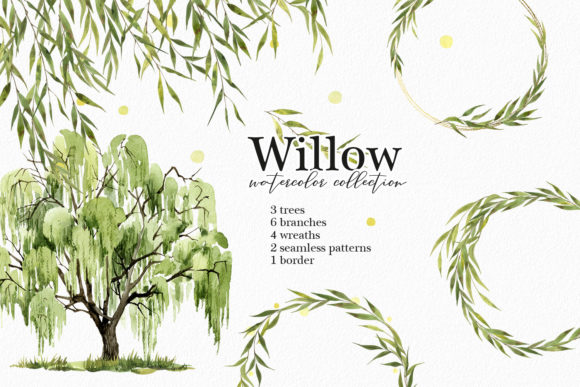
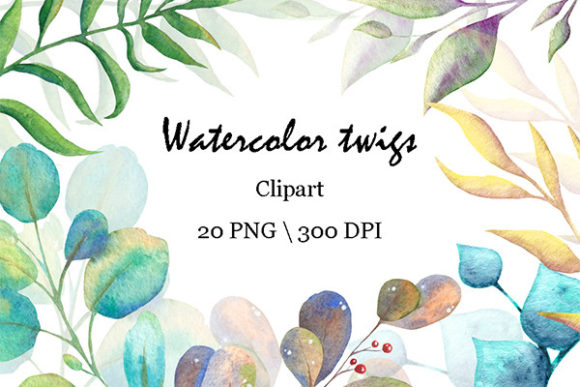
At its core, watercolor greenery refers to digital illustrations that mimic the translucent, fluid qualities of traditional watercolor paint applied to foliage, leaves, and floral arrangements. Unlike vector graphics which often feature hard lines and solid fills, these hand painted watercolor clipart files capture the subtle variations in pigment density, paper texture, and natural imperfections inherent to the medium. A typical high-quality pack, such as those containing 20 distinct RGB PNG elements, provides individual assets approximately 3000 x 3000 pixels in size. This resolution ensures that the delicate brushstrokes remain crisp whether viewed on a screen or printed at 300 DPI on physical media.
The appeal of botanical clipart lies in its versatility. Because these files are usually provided as separate images with transparent backgrounds, they can be layered, rotated, and combined without the constraints of a fixed composition. This modularity allows users to construct custom wreaths, borders, or background patterns that feel unique rather than templated.
Reasons to Choose Watercolor Aesthetics
Creators often gravitate toward watercolor greenery for its ability to evoke warmth and approachability. In an era where digital interfaces can sometimes feel sterile or overly geometric, the organic shapes and soft color palettes of hand-painted leaves introduce a human touch. This style is particularly effective for brands or projects aiming to communicate nature, wellness, sustainability, or elegance.
Furthermore, the technical specifications of professional clipart packs support a wide range of outputs. With files sized at 10x10 inches at 300 DPI, the assets are robust enough for large-format printing, such as fabric patterns or wedding stationery, while remaining optimized for web use. The RGB color mode ensures vibrant display on monitors, making these elements suitable for blog headers, social media graphics, and website backgrounds.
Benefits and Practical Applications
The primary benefit of utilizing a dedicated set of watercolor greenery is the consistency of style across a project. When all elements are derived from the same hand-painted session, the lighting, texture, and color harmony remain uniform. This coherence is vital for branding materials like logos, business cards, and packaging designs where visual identity must be maintained.
Specific applications where these assets excel include:
- Wedding Stationery and Invitations: The romantic and timeless quality of watercolor leaves complements formal typography, making it a top choice for save-the-dates and menu cards.
- Digital and Physical Scrapbooking: The transparency of PNG files allows for seamless layering over photos and journaling cards, adding depth without obscuring underlying content.
- Surface Pattern Design: High-resolution elements can be repeated to create patterns for paper goods, fabric printing, or wallpaper, leveraging the 300 DPI standard for professional print results.
- Web and Blog Design: Soft botanical accents can break up text-heavy layouts, serving as decorative dividers or background overlays that enhance readability without distraction.
- Papercraft and Decoupage: For physical DIY projects, the high pixel count ensures that printed cutouts retain their detail, supporting intricate cardmaking and decoration tasks.
Considerations and Tradeoffs
While watercolor greenery offers significant aesthetic advantages, there are tradeoffs to consider during the selection process. The most notable limitation is the raster nature of PNG files. Unlike vector formats (SVG or EPS), raster images cannot be scaled infinitely without potential loss of quality. Although 3000 x 3000 pixels is substantial, attempting to stretch these images to billboard sizes may result in pixelation. Users requiring massive scalability for large-scale signage should verify if vector alternatives are available or ensure their intended print size falls within the 10x10 inch recommendation at 300 DPI.
Additionally, the "hand-painted" look implies a degree of unpredictability. Edges may be softer and less defined than vector art, which can be a disadvantage for projects requiring sharp, high-contrast outlines, such as small-scale embroidery digitizing or laser cutting stencils. In such cases, the subtle gradients of watercolor might not translate well to single-color processes.
It is also important to manage expectations regarding file delivery. These products are typically digital downloads only, meaning no physical samples are shipped. Users must have the capability to download, unzip, and manage large image files. For those less familiar with digital asset management, this requires a basic understanding of file formats and resolution requirements.
When to Consider Alternatives
There are scenarios where watercolor greenery may not be the optimal choice. If a project demands a flat, minimalist, or corporate aesthetic, the textured and organic nature of watercolor might clash with the desired brand voice. In these instances, flat icon sets or geometric vector illustrations may serve better.
Similarly, for projects involving strict color matching, such as corporate branding with specific Pantone requirements, the variable nature of watercolor blending can make exact color replication difficult. Digital watercolors simulate real paint mixing, which often results in unique hue variations that deviate from standard CMYK or Pantone libraries. If absolute color consistency is non-negotiable, solid-fill vector graphics are a more reliable alternative.
For users intending to animate elements for video or interactive web experiences, raster PNGs can be heavier on file size compared to SVGs, potentially impacting load times if many elements are used simultaneously. While acceptable for static images, dynamic projects might benefit from lighter-weight vector solutions.
Making the Right Decision for Your Project
Selecting the right assets ultimately depends on the end goal of your creation. If your objective is to produce inviting, textured, and emotionally resonant designs for weddings, lifestyle blogs, or handmade crafts, hand painted watercolor clipart is an exceptional fit. The high resolution and separate file structure provide the flexibility needed for both digital composition and high-quality printing.
However, if your workflow prioritizes infinite scalability, precise color control, or ultra-minimalist styling, you may need to supplement or replace these assets with vector-based options. By evaluating the specific technical requirements of your output medium—whether it is a screen, a fabric roll, or a wedding invite—you can determine if the organic charm of watercolor greenery aligns with your functional needs. Ultimately, these botanical elements serve as powerful tools for adding depth and character, provided they are applied within the bounds of their raster format and artistic style.