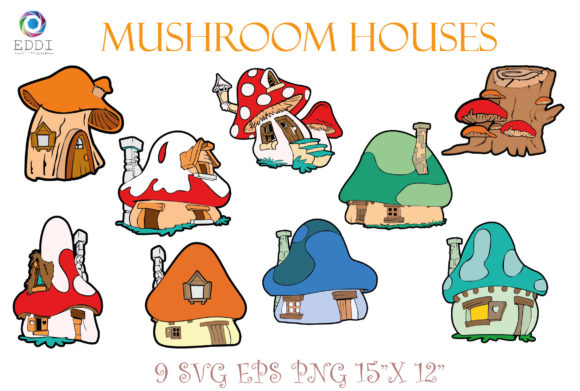
Bringing Whimsy to Life: The Creative Power of Mushroom House Clipart in Modern Design
In the vast and ever-evolving landscape of digital design, few motifs capture the imagination quite like the mushroom house. These whimsical structures, often depicted with spotted caps serving as roofs and sturdy stems forming the walls, have transcended their origins in fairy tales and folklore to become a staple in contemporary creative projects. Whether you are a seasoned graphic designer, a hobbyist crafter, or a parent looking to add a touch of magic to a child’s room, understanding the utility and appeal of these design elements is essential. This article explores the significance of mushroom house illustrations, their practical applications, and how high-quality digital assets can elevate your creative workflow.
The Enduring Appeal of Cottagecore and Fantasy Aesthetics
To understand why mushroom houses are so popular, one must first look at the broader cultural trends influencing design today. The rise of Cottagecore—an aesthetic that celebrates rural life, simplicity, and a connection to nature—has brought natural elements into the forefront of interior design and digital art. Mushroom houses fit perfectly within this narrative. They evoke a sense of nostalgia, warmth, and enchantment that resonates with people seeking comfort in an increasingly digital and fast-paced world.
Beyond Cottagecore, these illustrations tap into a universal love for fantasy. From classic literature to modern video games, tiny homes nestled in forests represent safety, community, and wonder. When designers incorporate these elements into their work, they are not just adding a picture; they are invoking a feeling. This emotional connection is what makes mushroom house clipart such a powerful tool for engagement in marketing, education, and personal projects.
Versatility in Digital and Physical Applications
One of the most significant advantages of using pre-designed clipart sets is their incredible versatility. A single set of mushroom house illustrations can serve multiple purposes across different mediums. For instance, consider the realm of scrapbooking. Digital scrapbookers use these elements to create themed pages that document family trips to nature reserves or children’s birthday parties. The ability to layer colors and adjust sizes allows for seamless integration into existing layouts.
Similarly, in the world of party planning, these designs are invaluable. Imagine creating custom party invitations for a woodland-themed baby shower or a child’s first birthday. By using high-resolution PNG files with transparent backgrounds, you can place mushroom houses alongside text and other graphics without worrying about unsightly white boxes around the images. This level of polish makes homemade invitations look professionally designed.
Furthermore, the trend of print-on-demand has opened up new avenues for creators. Artists can use these vector graphics to design nursery prints, t-shirts, tote bags, and stickers. Because the files are scalable, the same image can be printed on a small sticker or a large wall poster without losing quality. This flexibility is crucial for small business owners who need to maximize the utility of their design assets.
Understanding File Formats: SVG, EPS, and PNG
For those new to digital design, the array of file formats included in a typical download can seem overwhelming. However, understanding the difference between SVG, EPS, and PNG is key to utilizing these assets effectively. Each format serves a specific purpose and is compatible with different software and machines.
- SVG (Scalable Vector Graphics): This is perhaps the most versatile format for crafters. SVG files are vector-based, meaning they use mathematical paths rather than pixels to define images. This allows them to be scaled to any size without becoming pixelated. Crucially, SVGs are the preferred format for cutting machines like the Cricut Explore and Silhouette Cameo. If you plan to cut vinyl decals or create intricate paper crafts, SVG is your go-to choice. Many modern SVGs are "layered by color," which means each color in the design is on a separate layer, allowing for multi-color cutting projects.
- EPS (Encapsulated PostScript): Like SVG, EPS is a vector format, but it is traditionally used in professional printing and graphic design software such as Adobe Illustrator, CorelDRAW, and Inkscape. If you are a designer working on large-format prints or need to edit the individual nodes of the illustration, EPS files provide the necessary precision and compatibility with industry-standard tools.
- PNG (Portable Network Graphics): Unlike vector formats, PNGs are raster images, meaning they are made of pixels. However, high-quality PNGs come with a transparent background, making them ideal for web design, digital scrapbooking, and sublimation printing. They are ready to use immediately in programs like Photoshop or Canva without the need for complex editing. Just ensure you check the dimensions (such as 15″x 12″) to guarantee high resolution for printing.
Compatibility with Cutting Machines and Software
A common misconception among beginners is that any digital file will work with any cutting machine. In reality, compatibility is key. Before purchasing a digital download, it is vital to ensure that your hardware supports the provided formats. For example, while Cricut Design Space handles SVG files natively, some older or basic models may require specific settings or conversions. Similarly, users of Adobe Suite will find EPS and AI (Adobe Illustrator) files more intuitive for editing.
Modern cutting software has become increasingly user-friendly, allowing even novices to import layered SVGs and assign different cut lines to different colors. This feature is particularly useful for mushroom house designs, where the cap, spots, windows, and door might each be a different color. By keeping these elements layered, creators can produce complex, multi-colored decals with ease.
Practical Tips for Using Mushroom House Clipart
To get the most out of your digital assets, consider the following best practices:
- Check Resolution and Dimensions: Always verify the artboard dimensions. A standard size like 15″x 12″ at 300 DPI (dots per inch) ensures that your prints will be crisp and clear. Low-resolution images may look fine on a screen but will appear blurry when printed.
- Organize Your Files: Digital downloads often come in a ZIP folder. Extract these files into a dedicated folder on your computer, organized by format (SVG, PNG, EPS). This saves time when you are in the flow of creating.
- Respect Licensing Terms: Most digital artists provide licenses that allow for personal and small commercial use. However, always read the terms carefully. Some licenses may restrict the number of physical items you can sell or prohibit the redistribution of the digital files themselves.
- Experiment with Layering: Don’t be afraid to mix and match elements. You might combine a mushroom house from one set with trees or animals from another to create a unique scene. The transparent backgrounds of PNGs make this compositing process straightforward.
Conclusion: Elevating Creativity with Quality Assets
In conclusion, mushroom house clipart is more than just a cute design element; it is a versatile tool that bridges the gap between digital convenience and tangible creativity. Whether you are designing a blog header, creating custom stickers for your small business, or decorating a nursery, these illustrations offer a charming way to connect with your audience. By understanding the technical aspects of file formats and leveraging the capabilities of modern cutting machines, you can unlock the full potential of these digital assets.
As you embark on your next creative project, remember that the right resources can make all the difference. Investing in high-quality, layered vector graphics ensures that your final products look professional and polished. So, unzip that folder, open your design software, and let your imagination wander into the whimsical world of mushroom houses. The possibilities are as endless as the forest itself.
For more inspiration and tutorials on using digital clipart, consider exploring online communities dedicated to crafting and graphic design. Sharing your creations not only helps you improve but also contributes to a vibrant ecosystem of creativity and innovation.